Multiple NEET attempts, computer-based testing and more examination centres among key proposals to reduce students' pressure and reform medical entrance examinations
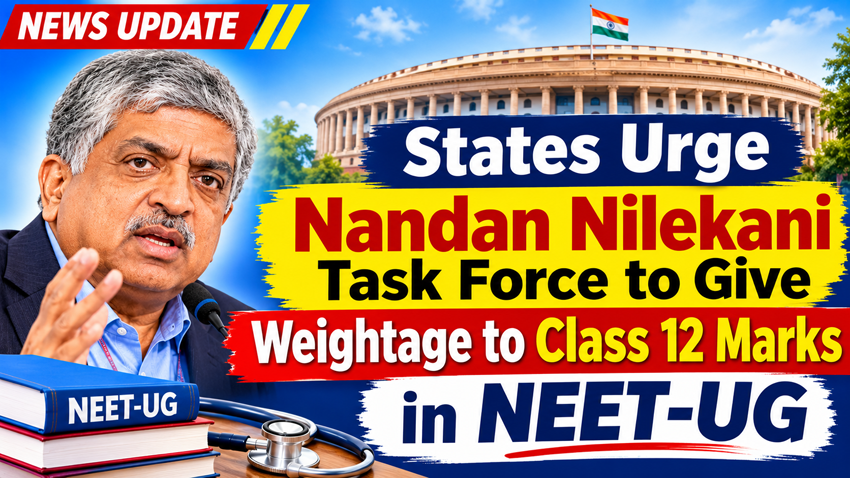
Nandan Nilekani Task Force: Some of the states have proposed the inclusion of Class 12 board exam scores for the selection of students in the NEET-UG test and thus brought an important proposition into the current debate regarding reforms in the Indian system of medical admissions. This recommendation has been made to the High Powered Task Force chaired by Mr. Nandan Nilekani, in consultations with the respective state government.
While proposing for the weightage to be given to Class 12 exam scores, the states have also recommended multiple attempts in a year for the NEET-UG test and the gradual transition of the test from the pen-paper mode to Computer Based Test (CBT).
According to media reports, several states irrespective of political affiliations have shown support for giving importance to Class 12 board examination scores. It has been said that the present system of admissions, where the focus is on one entrance exam, has compelled the students to give priority to the coaching institutes than schooling.
Why States Want Class 12 Marks to Matter in NEET
Another one of the key issues being raised in the consultations is regarding the increased reliance on coaching institutes for NEET-UG preparation. Due to NEET-UG being such an important part of admissions in medical colleges, students tend to spend a considerable amount of their two senior secondary school years preparing for the competitive examinations.
It has been highlighted by states that due to this, students are increasingly losing sight of their school curriculum as well as the examinations conducted by the boards. There are even some who have attributed the increase in the number of dummy schools to this phenomenon, whereby students enrol in schools but then attend coaching institutes.
The importance given to Class 12 scores will help students maintain a balance between their school education as well as their preparation for competitive examinations. It will also be an indication of a student's performance for a longer period of time rather than just a one-time examination performance.
But the percentage of importance given and how the scores will be taken into account in the NEET-UG admission process is not yet determined.
Multiple Attempts in NEET-UG Also Proposed
Yet another significant suggestion made by the states is that candidates be allowed to attempt NEET-UG multiple times in an academic year.
Currently, NEET-UG exam takes place only once in a year, and thus becomes a very critical exam for lakhs of medical hopefuls. Anything untoward may happen to cause problems to candidates in securing admission to their dream institutions in that academic year.
Having multiple attempts would give candidates a chance to perform better and possibly help in relieving some of the psychological pressure that might arise due to one-time exam.
The suggestion is likely to be looked into by the task force in connection with other suggestions being put forward to make the exams student friendly.
NEET May Gradually Shift to Computer-Based Testing
Another important issue that comes up during the consultations at the state level concerns the move away from pen-and-paper tests to Computer-Based Testing (CBT).
As per the reports, delegates from almost all southern states supported the move to conduct NEET in CBT format. However, Tamil Nadu reportedly became an exception to this decision made by the states during these consultations.
There were also deliberations on providing both types of examinations to the candidates to make the transition easier.
Such a change will demand sufficient infrastructure in the form of computer systems and examination centres to accommodate many candidates. There has been talk of investing in infrastructure that can help with preparation for the exam.
More Examination Centres and Stronger Security
It has been proposed that states should consider having at least one NEET examination centre in each district so that candidates do not have to travel far for appearing in the entrance examination.
Other proposals include better coordination between central examination bodies, state government, and district administration and improvement in the question paper-setting exercise.
The task force is also considering technological measures for ensuring confidentiality of the examination papers and increasing security of the examinations. These include setting up a secure database of question papers, preparing and verifying a number of question papers all through the year, and digital transmission of the question papers to the examination centres just prior to the examination.
Nilekani Task Force to Submit Recommendations by January 2027
The six member High Powered Task Force, led by Infosys co-founder Nandan Nilekani, was formed in July 2026 amid the issue of examination malpractices and the controversy associated with the NEET-UG paper leak.
Others in the panel are former ISRO chairman S. Somanath, former IB chief Tapan Deka, IIT Madras director V. Kamakoti, former Education Secretary Anita Karwal and logistics expert Amrit Lal Meena.
According to reports, the panel has already received over 50,000 suggestions from students, their parents, teachers, educational institutions, subject experts, industries and examination conducting organizations.
Originally supposed to deliver its findings by October 2026, the task force has been granted a deadline extension till January 2027 for completing consultations and finalizing its recommendations. Consultations with southern states, J&K and Odisha have been completed, while consultations with northern states are awaited.
It is important to emphasize that these suggestions are only recommendations being considered and do not constitute any change whatsoever to the existing NEET-UG admission process. The final decision with regard to exam reforms shall be taken by the concerned authorities after considering the recommendations made by the task force.
In case of implementation, these reforms may lead to substantial reforms in the Indian system of conducting the medical entrance exams, thus making students prepare equally for their regular classes and entrance exams.
Educationkhoj.com will continue to track developments concerning NEET-UG reforms and keep students, parents and educational institutions informed.